In a country under fire, a radio station refuses to let the signal go dark
Press Releases
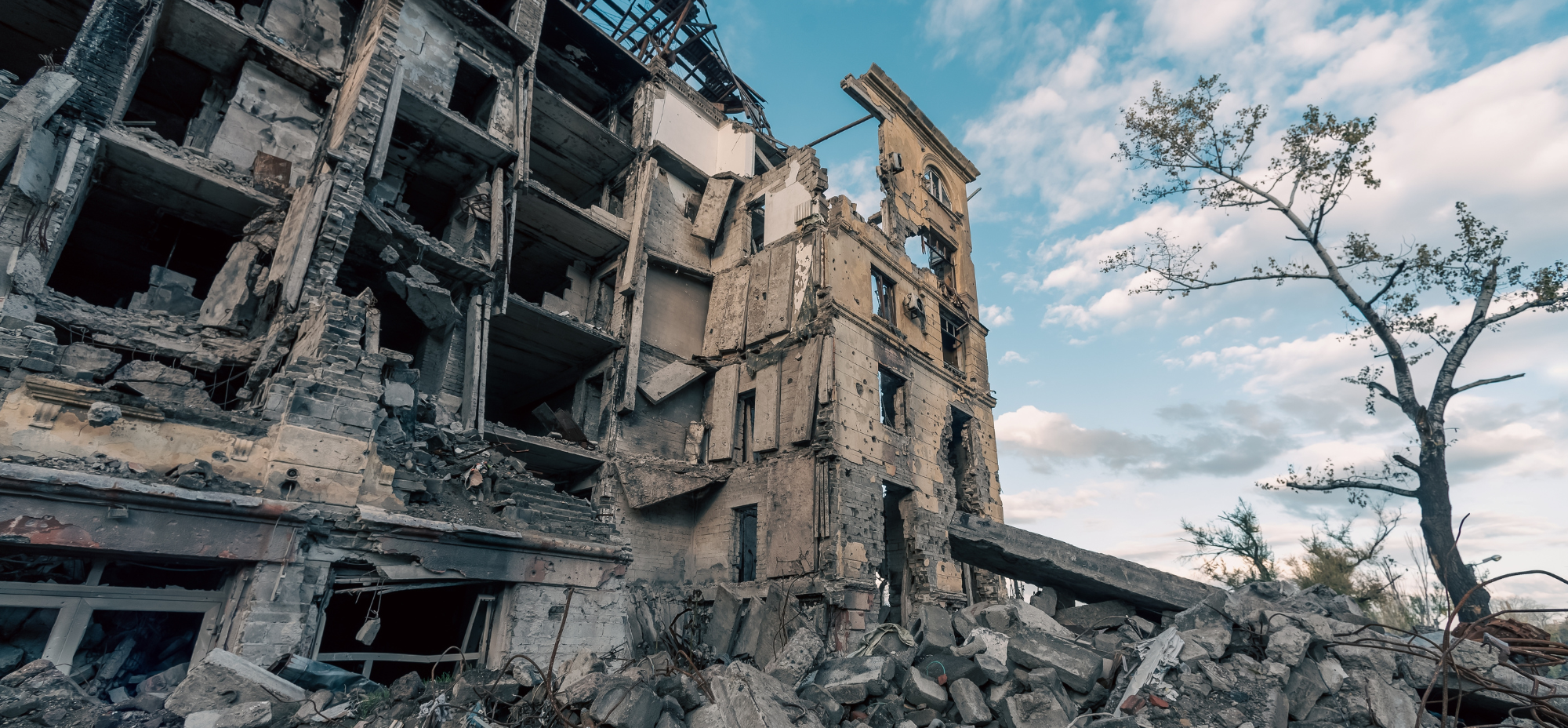
Paris, 20 August: In Ukraine, reliable information can be a matter of survival, especially for those living on the frontlines. Yet since Russia's full-scale invasion, journalists and the infrastructure they depend on have been deliberately targeted, making the reporting of attacks, troop movements, aid deliveries and reconstruction an immensely dangerous job.
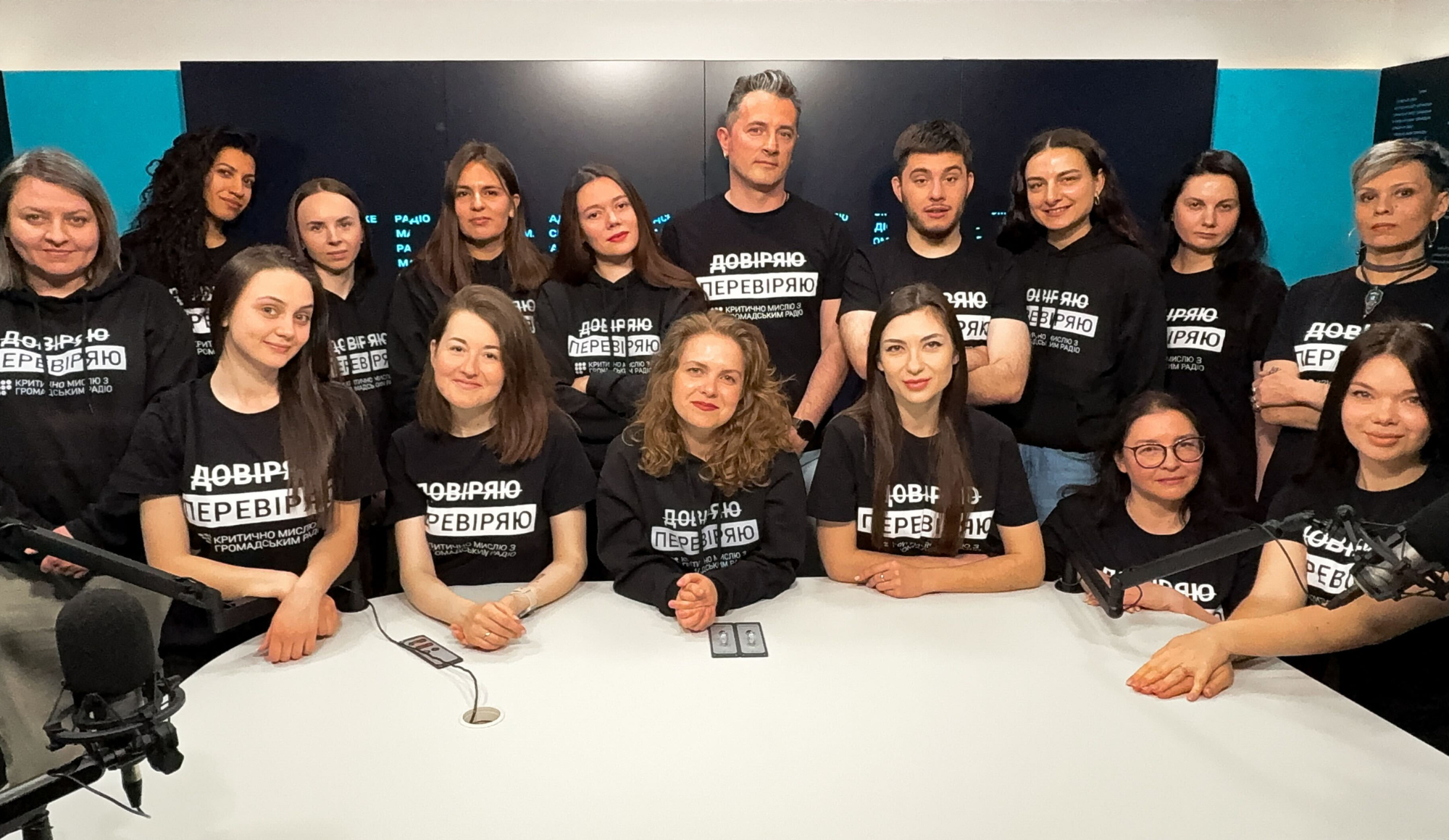
Hromadske Radio, one of Ukraine's few independent, non-commercial and non-governmental news and talk radio stations, is among the outlets that have come under attack. Since 2022, nine of its transmitters have been destroyed or seized by Russian troops.1 It has continued to broadcast anyway, 24/7 across seven FM transmitters, five of them in frontline regions. Their radio broadcasts are particularly meaningful for those on the contact line: when drone strikes take out the power grid, hand-held, battery-powered radios are one of the only channels for audiences in occupied and combat zones to get factual, up-to-date information, much of it essential to their safety and support needs.
Hromadske Radio relayed to IFPIM staff that when Russian shelling has disrupted their ability to broadcast on the frontlines, they have received constant messages from residents hoping for news to be restored.
“Two women from the "red zone" of Kherson called. I spoke with them and you could hear the shelling even over the phone. They complained that they can't hear Hromadske Radio, because they used to wake up and fall asleep with us,” said Ruslana Brianska, Executive Director of Hromadske Radio. “One woman is blind, she is 81, and she said she wants to support us financially — for her that's very important... She sent greetings to everyone. She knows us all by our voices and especially always waits for the 5:00 PM news bulletin.” Messages like these inspire the station’s tireless effort to maintain and expand broadcasting.
Like many markets, Ukraine was hit hard by the closure of USAID, which had supported independent, public interest media as a pillar of democracy. Some 333 outlets have shut down in the country over the past four years, lost to a combination of collapsing ad revenue and aid cuts. In 2024, the International Fund awarded flexible funding to Hromadske Radio to sustain its delivery of trustworthy news to audiences in Ukraine and the diaspora. The Fund's grant has helped Hromadske Radio expand its digital presence, build a coherent brand strategy, diversify its income and, most of all, keep broadcasting despite the challenging security situation.
“The root word of Hromadske in Ukrainian is hromada (community), and this word describes the essence of Hromadske Radio perfectly – it is community-facing, with people at the centre of every story," said Rita Rudusa, IFPIM’s Regional Director for Eastern Europe. "Hromadske Radio keeps communities engaged, including those under occupation. Because they deliver not only news but also hope and engagement, they are deliberately targeted by Russian forces, which attack their infrastructure, including transmitters. Our role is to help them stay operational and reach communities during the war, and to find solid footing for growth beyond it.”
Hromadske Radio’s experience is representative of the challenges facing Ukrainian news media more broadly. According to Reporters Without Borders (RSF) more than 175 Ukrainian and international journalists have been victims of Russian attacks in the four years since the invasion began.2 That figure includes 16 killed, at least 56 injured—mostly in drone strikes—and 26 detained. Beyond attacks on individuals, RSF has documented at least 25 attacks on news infrastructure, like those sustained by Hromadske Radio, including the bombing and occupation of broadcasting towers. In occupied regions, Russian forces routinely move to cut off Ukrainian programming and replace it with pro-Russia radio content and misleading narratives. In this context, direct support to independent outlets can be a gamechanger when it comes to ensuring the continued presence of a free and independent press.
“We must keep the transmitters in frontline regions running: these are investments that determine whether or not people there hear verified information,” said Viktoriia Yermolaieva, Editor in Chief of Hromadske Radio. “In this context, core funding allows us to maintain our capacity to operate, keep the team together, invest in rapidly developing technologies, improve our format, increase the quantity and quality of content, pay for critically important infrastructure, and continue broadcasting where people urgently need it. This gives Hromadske Radio not just funding for an individual project, but stability—the ability to plan, develop, and set editorial priorities according to the needs of the audience and life in wartime conditions.”
By being able to stay and deliver, Hromadske Radio is now a trusted news source for roughly 580,000 weekly listeners. Their reach on YouTube and Facebook both has increased by ~65% since they became an IFPIM grantee, meaningful growth for an organization with mature social channels. In addition to reaching people on radio waves and digital channels, Hromadske Radio has started hosting in-person events designed to translate the subjects of their reporting into live dialogues. The events covered social topics like gender equality, LGBTQ+ rights, Ukrainian-Jewish history, and media accountability. The station has also invested heavily in making their website and programs accessible for those with disabilities—implementing AI powered voiceovers for all articles and alt text for images—and helping other newsrooms do the same. For this work, the station received an award for ‘Best Practices for Equality and Diversity in Ukrainian Newsrooms,’ in March 2026 from the National Council of Ukraine for Television and Radio Broadcasting, a national "Women in Media" NGO, and International Media Support.
.png)
Especially during a war, where information is contested as fiercely as territory, independent journalism is not a luxury. It is infrastructure, as vital as power lines or roads, and just as hard to rebuild once lost. Supporting outlets like Hromadske Radio is how democratic governments and others opposed to autocracy can ensure that news infrastructure remains where it is needed most, and that reliable facts and information can reach people in even the darkest conditions.
References:


.jpg)