What independent media taught us about electoral resilience in Moldova
Press Releases
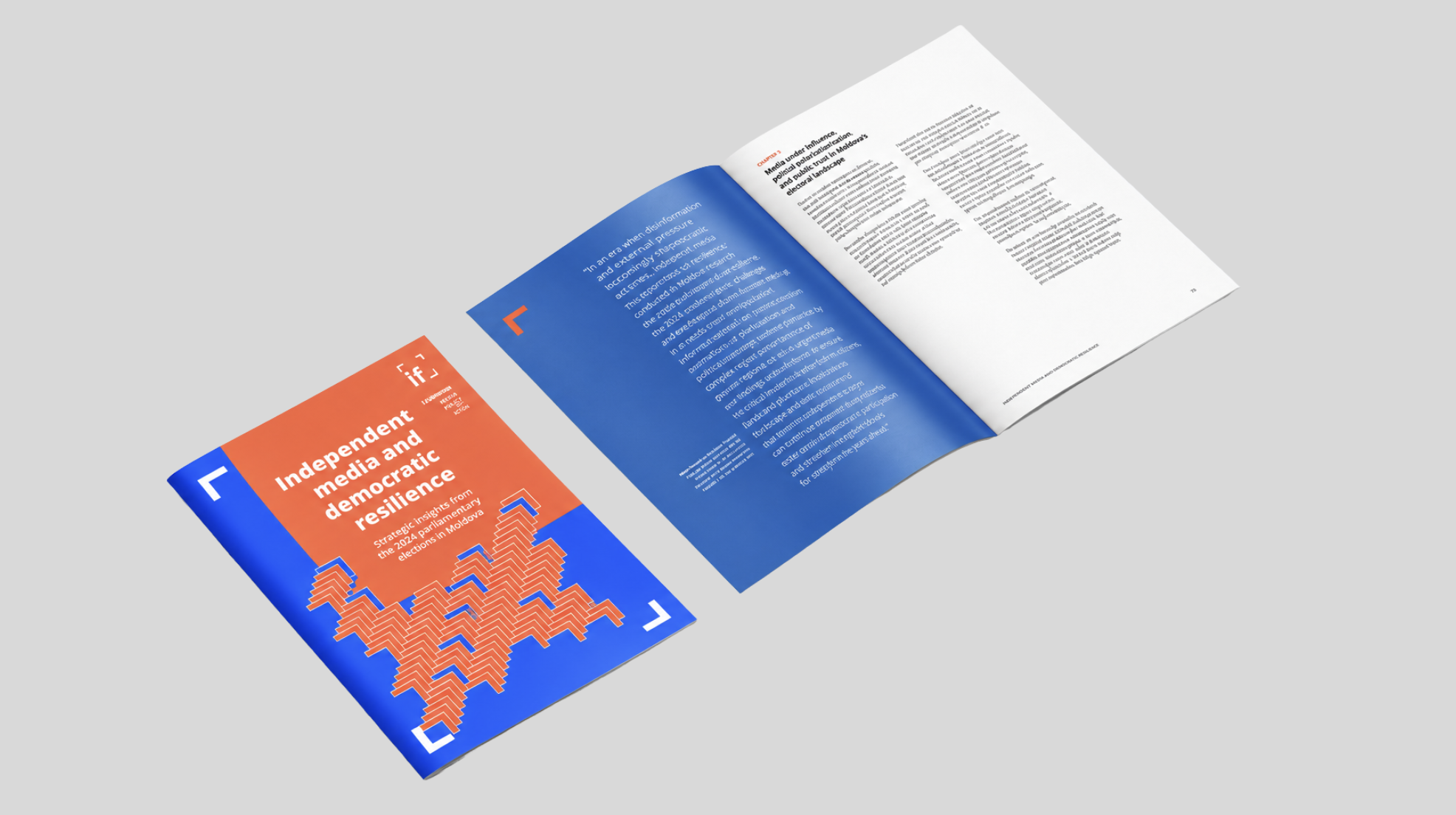
Across 2024 and 2025, Moldova held a series of pivotal elections: a presidential election, a referendum on EU accession, and parliamentary elections. Each unfolded under intense foreign information manipulation and interference (FIMI), increasingly channelled through local voices. Our new learning brief Independent media and democratic resilience — the second in our Moldova series — builds on the first to draw out the lessons learned by independent media across this period. Drawing on the experience of ten outlets supported by the International Fund (Agora, Diez, Jurnal TV, Newsmaker, Nokta, SP, Studio-L, TV8, TV Nord, and Ziarul de Gardă), alongside interviews with key figures in the political and media landscape, the learning brief sets out concrete examples of how the country's independent media responded, what worked, and how their learnings might translate across other settings.
The stakes, and the role independent media played, were summed up by Natalia Gavriliță, former prime minister of Moldova and now an IFPIM board member: “Our country resisted, and continues to resist, because it applied the so-called whole-of-society approach, in which practically all institutions worked in tandem and complemented one another in countering FIMI while independent media was probably one of the most important elements in this equation.”
That contribution came in a fast-changing information environment. Social media is now a primary source of news for around 80% of Moldovans, though television remains the most trusted. Audiences are also split along linguistic lines, with Romanian- and Russian-speaking communities relying on different platforms and sources — a divide that shaped both where disinformation spread and how independent media had to work to reach people.
The brief sets out six key insights. The first four explore effective strategies used by independent media and the final two focus on key enabling conditions that supported their impact:
1. Leading the conversation, not just countering falsehoods: Independent media were most effective when they reported on complex geopolitical issues through the lens of their audiences' everyday concerns, addressing the anxieties that manipulation sought to exploit rather than only debunking claims.
2. Understanding audiences and platforms: Reach and engagement grew where outlets understood how audiences actually consume information, adapting their formats and distribution accordingly.
3. Exposing the machinery of disinformation: Investigative reporting played a distinct role, revealing the networks and systems behind interference.
4. Amplifying through collaboration: Increasingly, outlets built on one another's work, so that public-interest journalism travelled further across the sector than any single outlet could achieve alone.
5. Supporting a diverse ecosystem: National, regional, and minority-language outlets played complementary and impactful roles, reaching diverse communities and language groups.
6. Providing flexible core funding: Stable, unrestricted support gave outlets the editorial freedom to retain staff, sustain investigations, experiment with new formats, and respond to fast-moving threats as they emerged.
Together, the insights highlight how the strength and diversity of the ecosystem as a whole enabled independent media to meaningfully counter foreign interference and maximise their impact.
Download the full report: Independent media and democratic resilience
About the Learning Brief Series:
This learning brief is part of a series produced by The International Fund's What Works Unit, which documents and analyses the experience of independent media in low- and middle-income countries to understand what works and what doesn't in responding to the political and structural market challenges facing public interest journalism.
Upcoming learning briefs to be published:
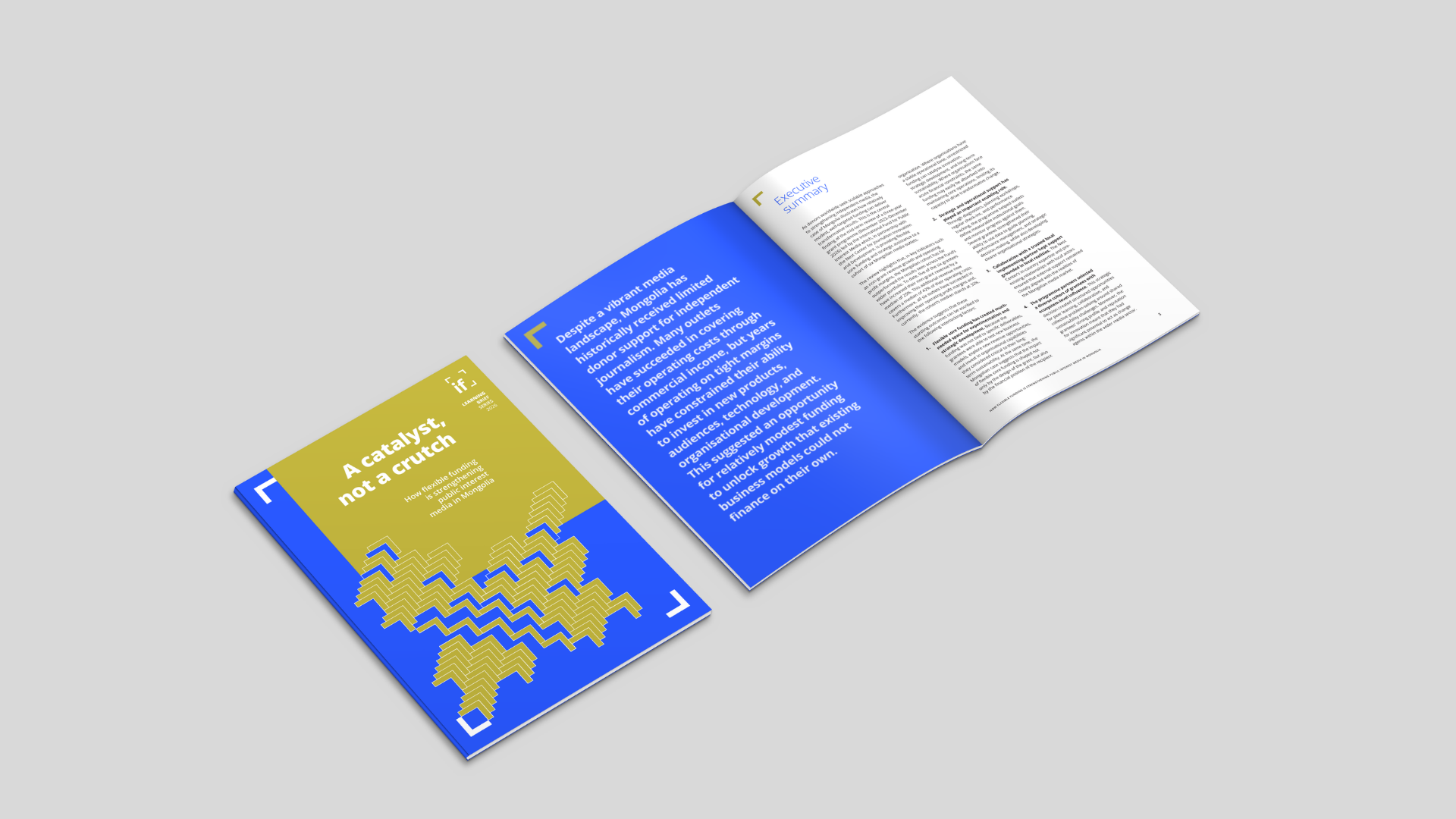
A Catalyst, Not a Crutch: How Flexible Funding Is Strengthening Public Interest Media in Mongolia
Building Sustainable Audience Revenue: A Three-Dimensional Framework for Independent Media in Fragile and Emerging Markets
When the audience steps up. Why voluntary contributions have become increasingly central to independent media in Armenia, Moldova, and Ukraine

.jpg)