A Local Newsroom Holds Government Agencies Accountable for Climate Response in Southern Brazil
Press Releases
Communities in southern Brazil have lived through a sharp rise in climate-related extreme weather events in recent decades, including droughts, heatwaves and wildfires, as well as windstorms, heavy rainfall, and floods. The independent news publisher Grupo A Hora, which serves the Vale do Taquari region in Rio Grande do Sul, saw an opportunity to have a direct, constructive impact by empowering local communities deeply affected by climate disaster. In the process, the newsroom has also expanded their news formats and audience reach.
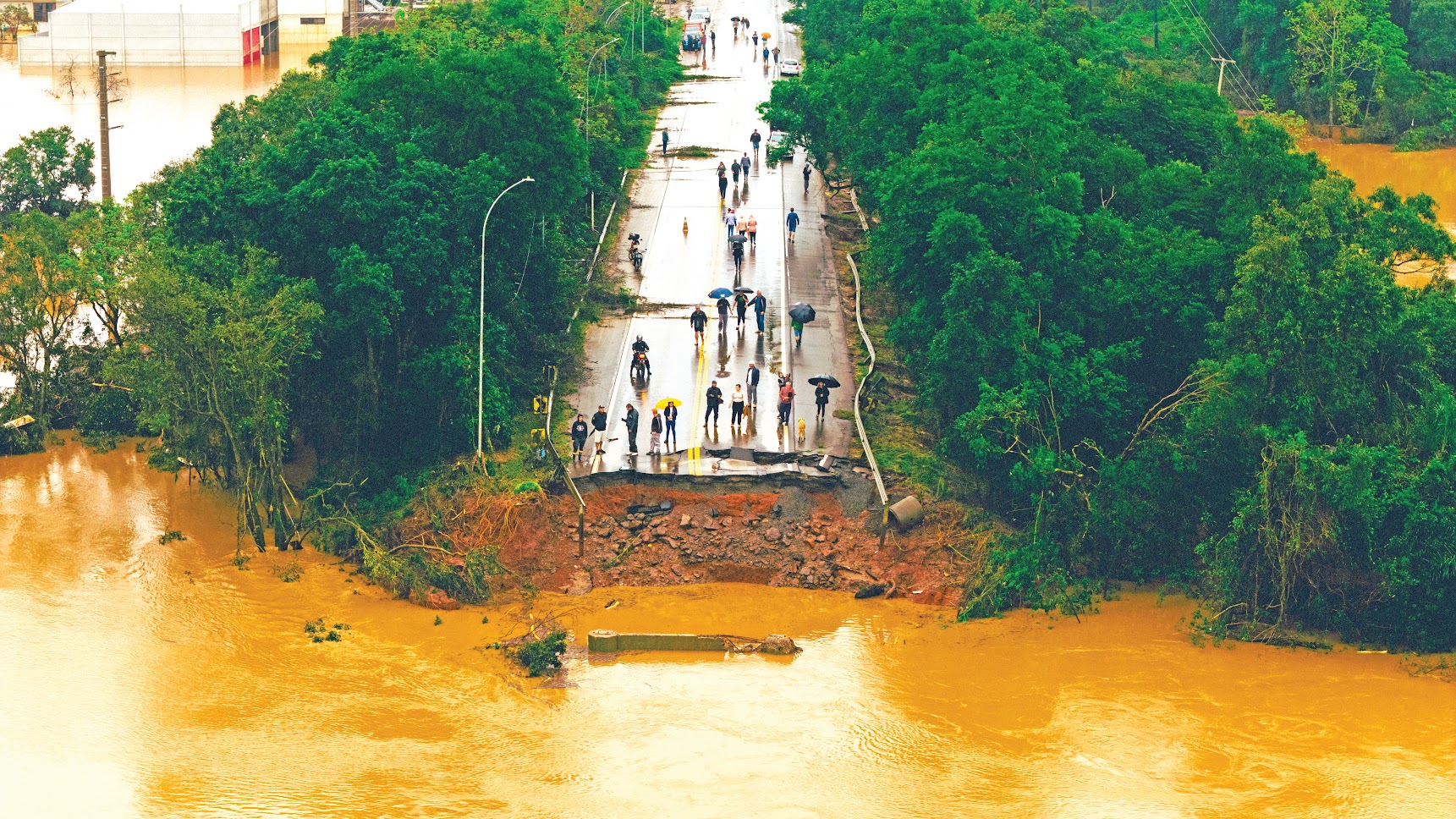
In May 2024, the Vale do Taquari region in Brazil’s southernmost state was devastated by heavy rain and extreme flooding, with roads and bridges washed away, and regional airports closed for more than seven months. Floodwaters caused the river to rise more than 20 metres above normal levels, taking a heavy toll on communities and livestock. More than 160 people lost their lives, and an estimated 650,000 were displaced. The extreme and rapid flooding was brought on by an ‘atmospheric river’, a climate phenomenon caused by unusually warm sea temperatures in the South Atlantic — a pattern that climate modelers predict will intensify in the future.
Responding to the slow progress on repairs, Grupo A Hora used flexible funding from an International Fund grant to develop the Vale Vivo Project, which relies on more than two dozen cameras and a free, downloadable app. The digital tools stream a 24-hour broadcast of the region's rivers, roads, and public works under reconstruction.
One camera was focused on the remnants of the Lajeado-Arroio do Meio bridge, a key transport link for workers and freight crossed by approximately 50,000 vehicles per month, which was completely washed away by flood waters. For months following the flooding, communities on either side of the river lacked a means to cross it, causing financial hardship for families and businesses throughout the valley. Grupo A Hora’s livestream and investment tracking became the eyes and ears of the community in order to hold the regional government to account, bringing swift results: Within 40 days of the first cameras going online, the bridge reconstruction was completed.
The app, downloaded more than 2100 times, continues to provide real-time information on the allocation and deployment of public money for reconstruction projects. Today, the Vale Vivo Project is used by the community to monitor government response to environmental disasters, as well as to get real-time information about how new weather events are impacting infrastructure. Visits to Vale Vivo livestreams spike during storms— in December 2025 for example, the broadcast during a windstorm was viewed 11 million times. The interest in Vale Vivo coverage is also translating to a general growth in Grupo A Hora’s website visits and audience reach. With 548,000 views in the last six months , the Vale Vivo livestreams now constitute 64% of Grupo A Hora’s audience on YouTube as of March 2026.
“...first, [we wanted] to significantly increase our audience, both in terms of audience quality and the number of people we reach. Second, to gain respect from the regional and national community for a project that addresses a gap in the protection of the city, and protection of the citizens… and third, to empower citizens in small cities to have a voice...”
-Eduardo Tessler, Vale Vivo Project Lead for A Hora speaking of the project goals
Following the success of the Vale Vivo initiative, Grupo A Hora is working on spin-off projects with an environmental focus: these include ‘Educame’, a programme which provides environmental education in public schools for 5,000 students aged 6 to 12, and for 1500 teachers.
The outlet also assigned a reporter and cameraman for the first Vale Vivo expedition, traveling some 66 kilometers up the Tuaquari River to investigate the river's conservation and protection issues. The three- day expedition revealed that dredging to maintain river depth had been stalled for two months because of administrative inaction to contract a dredging company. At a time when the region faces new threats of heavy rains, a river made shallower by lack of silt removal increases the risk and scale of flooding, a worrying prospect given the experiences of 2024. Through these new initiatives and investigations A Hora has reinforced their commitment to covering everyday issues and environmental topics that affect the population, and to bringing to light the progress made— or lacking— by government administrators to protect the lives and safety of citizens.
Grupo A Hora now reaches more than 1.8 million people per month through its website, social media platforms, radio, and print channels. With support from the International Fund and plans to expand its geographic reach, Grupo A Hora aims to become one of the three major media groups in the state.

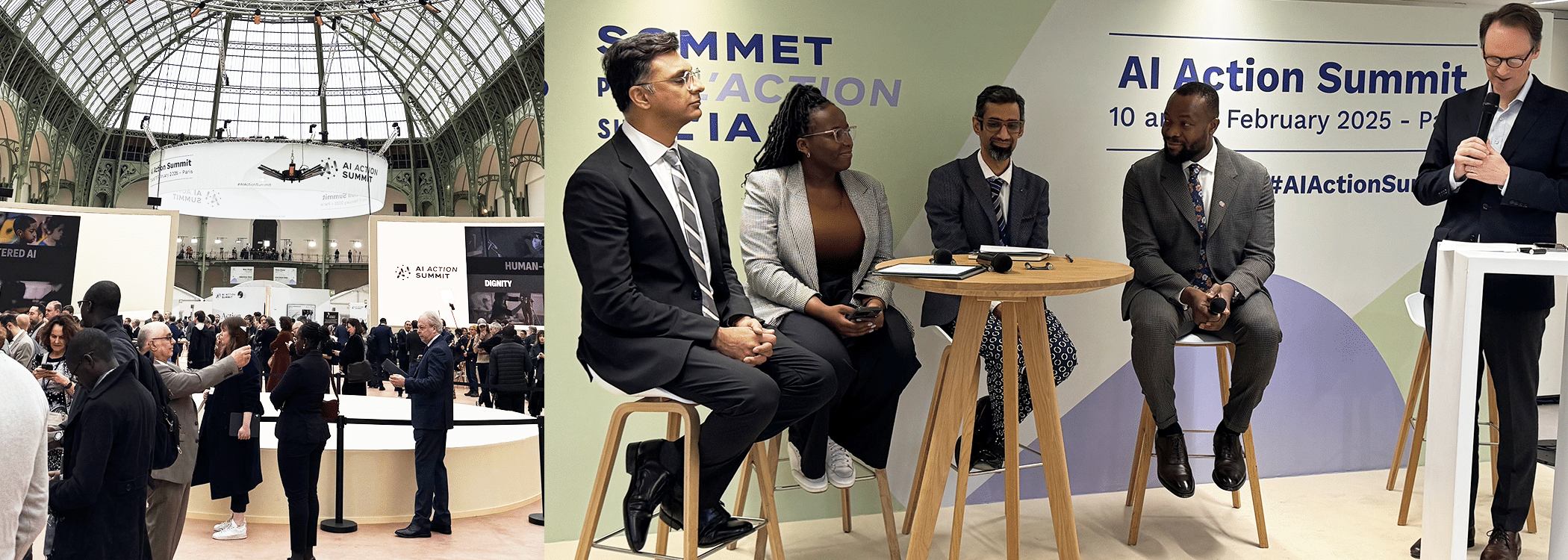
The Vale Vivo project won the Most Innovative Digital Product (regional/local) award at the 2026 WAN-IFRA Digital Media Awards Americas, held in Bogotá, a competition that evaluated over 100 media initiatives across the continent and highlights excellence in digital journalism innovation. The recognition is particularly significant because it marks the first time a media outlet from Brazil’s interior has received a WAN-IFRA award. According to Jornal A Hora: "The origins of Vale Vivo lie in the region's greatest climate tragedy. Driven by the need to monitor reconstruction and the use of public resources, the project was structured around three pillars: camera monitoring, data analysis, and community participation."
Banner image: Aldo Lopes/Grupo A Hora
Vale Vivo video produced: by Estúdio Alfa/Grupo A Hora
Award image courtesy: Grupo A Hora


.jpg)