
Our governance model
The International Fund has two governance bodies: a Board of independent experts, and a Council of public and private actors, including civil society. This structure gives the Fund— as an international organisation and multistakeholder fund— the independence and flexibility it needs to finance independent media effectively and transparently. It also allows the International Fund to develop long-term solutions to the threats undermining robust information ecosystems.
The Secretariat, led by the Chief Executive Officer (CEO), manages day-to-day activities and operations, including the implementation of the Board-approved strategy.
The Council
Up to 17 voting representatives of governments, philanthropies, civil society, and the private sector.
Responsible for ensuring financial resources are safeguarded and for monitoring performance of the Fund.

.svg)
The Board
Composed of experts in journalism, multilateralism, fund management and resource mobilization. All Board members serve in their individual capacities.
Responsible for strategic direction and overseeing impact of the International Fund’s work.
.svg)
.svg)

.svg)
The Council
A global coalition of partners
The Council includes up to 17 voting representatives of governments, international organizations, and private sector entities that have provided financial or political support to the International Fund and its mission. It is responsible for ensuring that financial resources are safeguarded and for evaluating the overall performance of the International Fund against its mandate. It does not oversee or approve any grants or other financing. The current composition of the Council is described below, organized into its different membership categories.
Observers
Arcom
UNESCO
.svg)
.svg)
The Board
Diverse, global expertise
The Board of the International Fund is composed of individuals with deep expertise and experience in areas relevant to the Board’s responsibilities and the International Fund’s mission, including journalism, multilateralism, fund management, and resource mobilization. The Board is responsible for setting the strategy of the International Fund, overseeing impact and performance, and ensuring that funding decisions are made independently.
Board members
.svg)
.png)
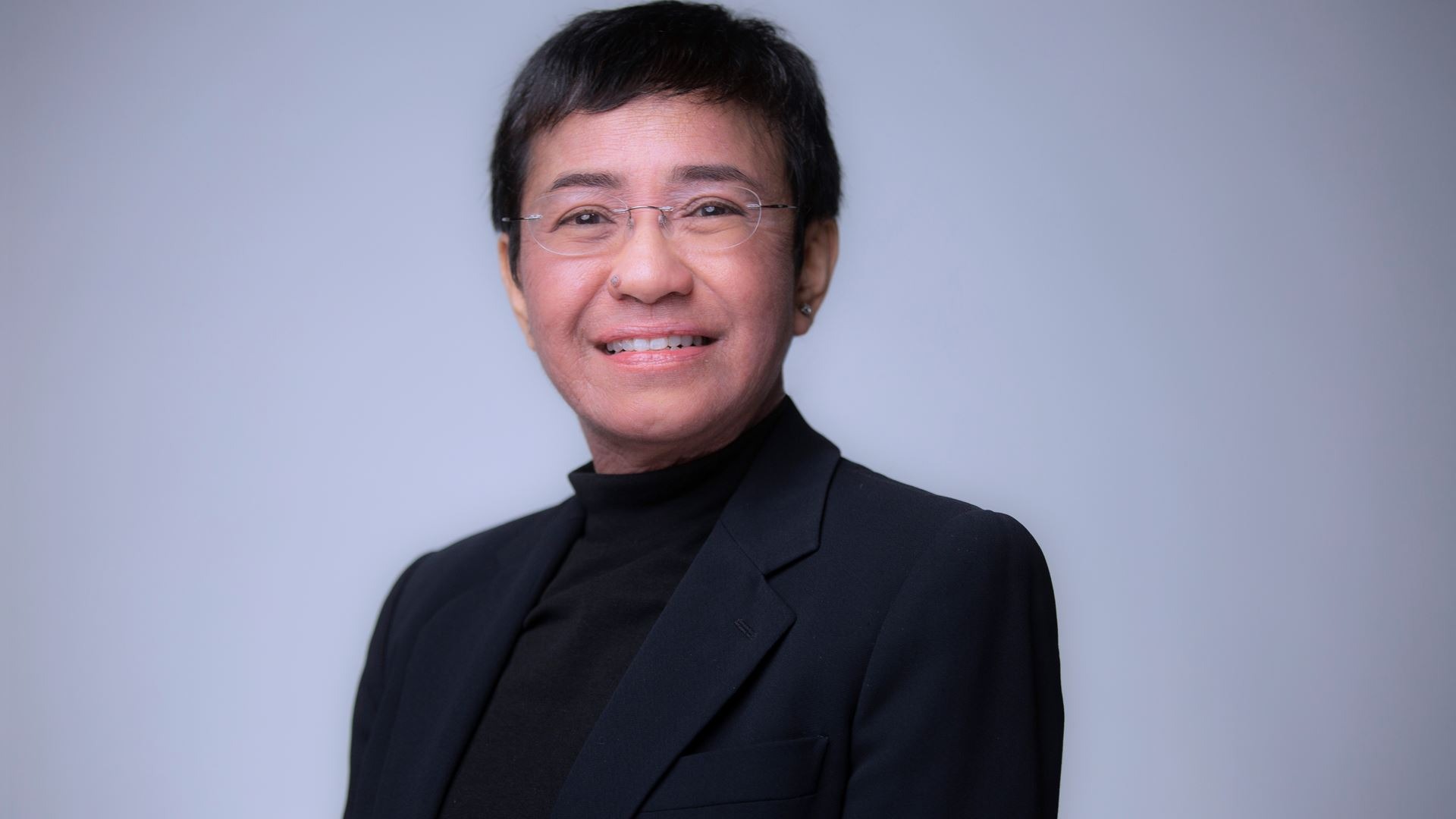
Maria Ressa
Nobel laureate Maria Ressa is the co-founder and CEO of Rappler, the digital news site in the Philippines known for its hard-hitting investigative journalism. As a journalist in Asia for more than 35 years, Ms. Ressa has also worked as CNN’s bureau chief in Manila and Jakarta. She has endured political harassment and arrests, and been forced to post bail ten times to continue her work.
In 2021, Ms. Ressa was awarded the Nobel Peace Prize, alongside Russian journalist Dmitry Muratov, in recognition of her efforts to safeguard freedom of expression. She has received a number of other international awards and recognitions for her work, including being named TIME Magazine’s Person of the Year in 2018, for her work on disinformation. In 2021, the jury awarding Ms. Ressa the Unesco/Guillermo Cano World Press Freedom Prize noted, “Maria Ressa’s unerring fight for freedom of expression is an example for many journalists around the world. Her case is emblematic of global trends that represent a real threat to press freedom, and therefore to democracy.”
Ms. Ressa is also the author of several books: How to Stand Up to a Dictator: The Fight for Our Future (2022), From Bin Laden to Facebook: 10 Days of Abduction, 10 Years of Terrorism (2013), and Seeds of Terror: An Eyewitness Account of Al-Qaeda's Newest Center of Operations in Southeast Asia (2003).

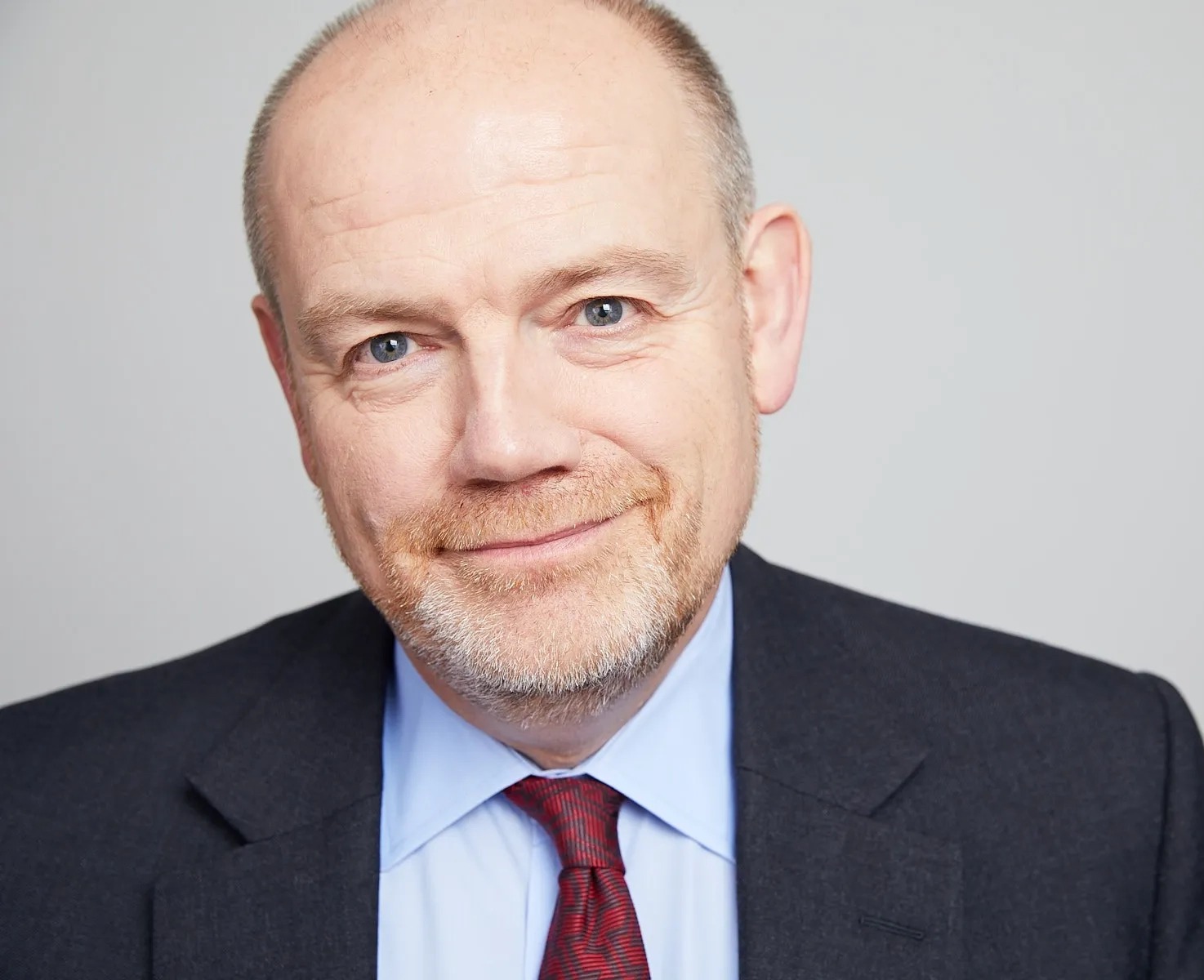
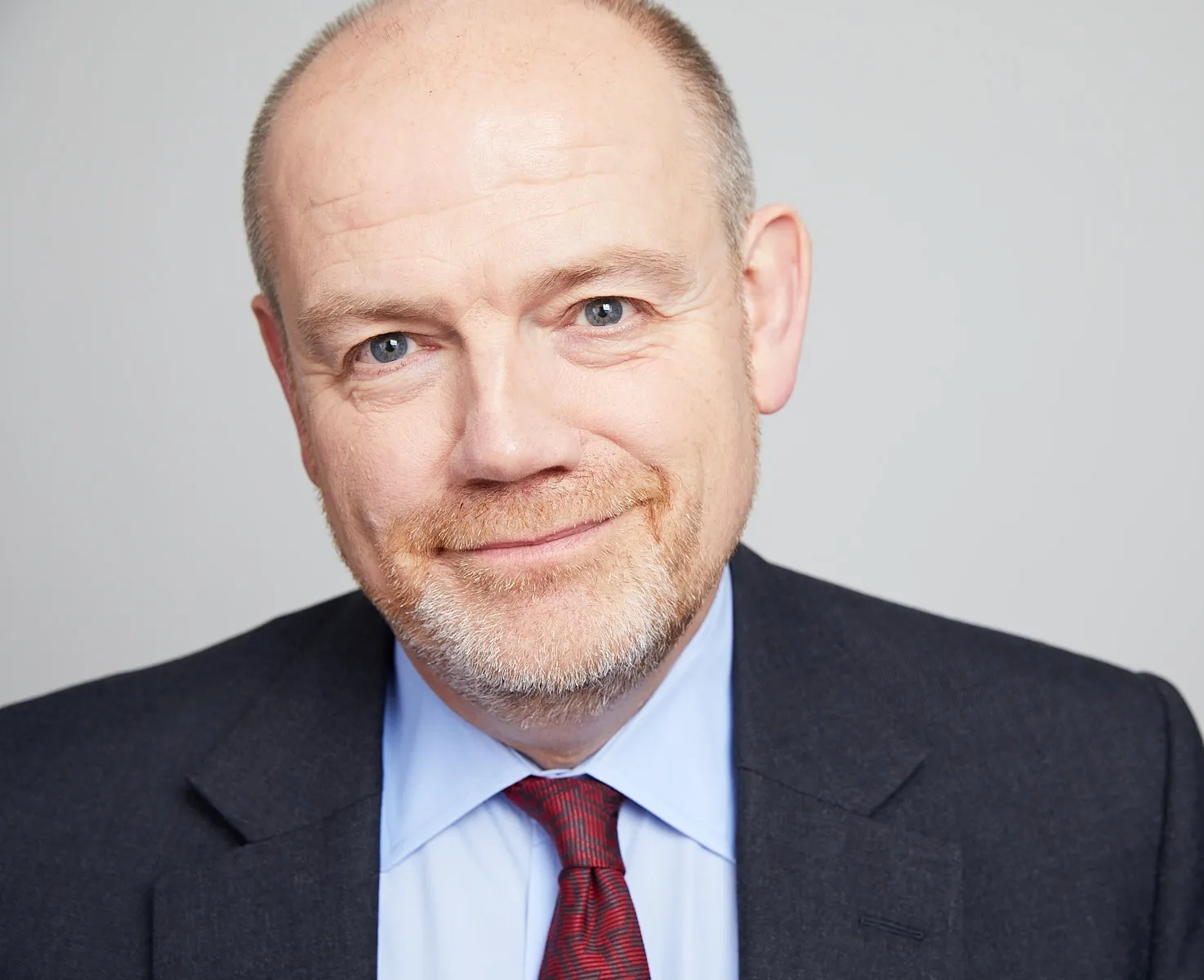
Mark Thompson
Mark Thompson is a media executive, journalist, and author who has led some of the world’s leading news organizations. In 2023, he was appointed Chairman and CEO of CNN Worldwide. Previously, Mr. Thompson served as President and CEO of The New York Times Company, from 2012 to 2020, where he led the transformation of the 170-year-old news brand into a digital powerhouse. Digital subscribers jumped to nearly six million, up from half a million when he joined, while digital revenues topped $450 million at the end of 2019.
Prior to the Times, Mr. Thompson served as Director-General of the BBC, from 2004 to 2012, where he is widely credited with expanding the BBC’s digital reach and overseeing development of the BBC iPlayer. He joined the BBC from Channel 4 where he was Chief Executive from 2002 to 2004. Before Channel 4 he held a series of senior posts at the BBC including Director of Television. His BBC career began as production trainee. He went on to edit several news programmes including The Nine O’clock News and Panorama before becoming Controller of BBC Two.
Mr. Thompson is the Chairman of the Board of Directors of Ancestry.com and a Trustee of the Royal Shakespeare Company. His book, Enough Said: What's Gone Wrong with the Language of Politics?, was published in September 2016.
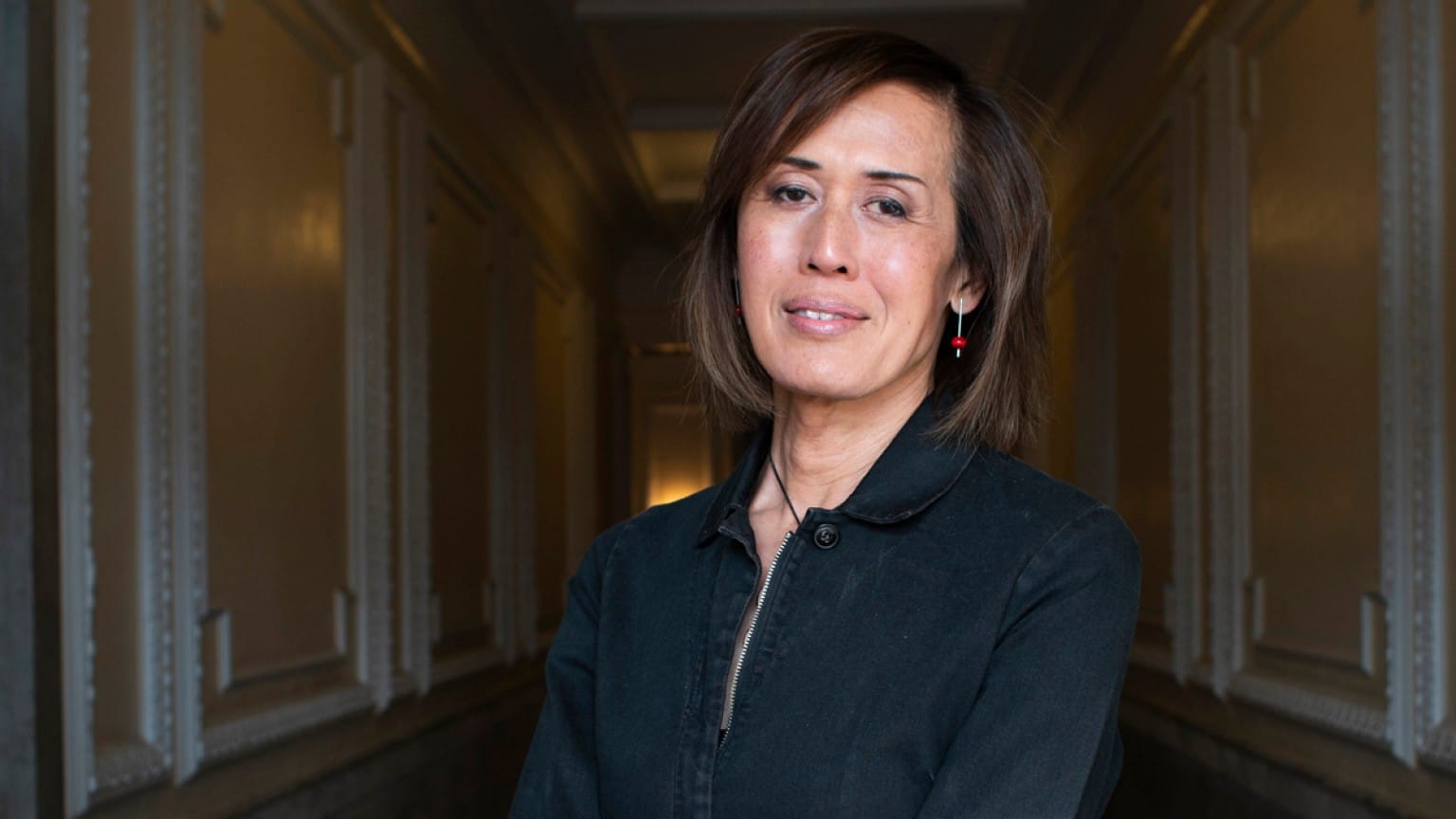
Gina Chua
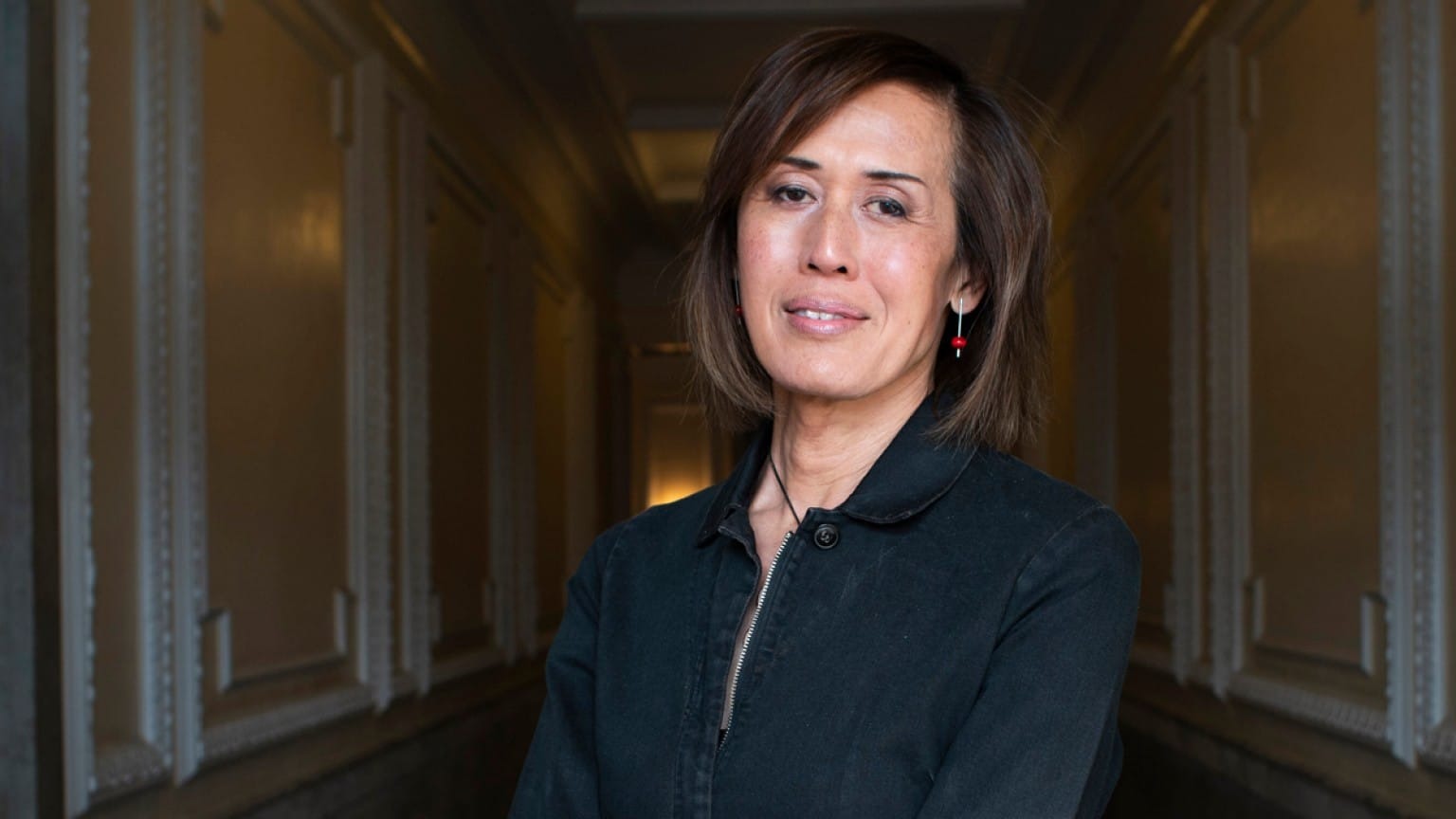
Gina Chua is Executive Editor At Large of the digital media start-up Semafor and Executive Director of the Tow-Knight Center for Entrepreneurial Journalism at the Craig Newmark Graduate School of Journalism at CUNY.
Prior to her current roles, Ms. Chua held a variety of positions at Reuters for more than a decade, most recently serving as Executive Editor. Earlier in her career, Ms. Chua was Editor-in-Chief of the South China Morning Post, where she was responsible for all print and online newsroom operations and managing a newsroom staff of 250, and Deputy Managing Editor for The Wall Street Journal.
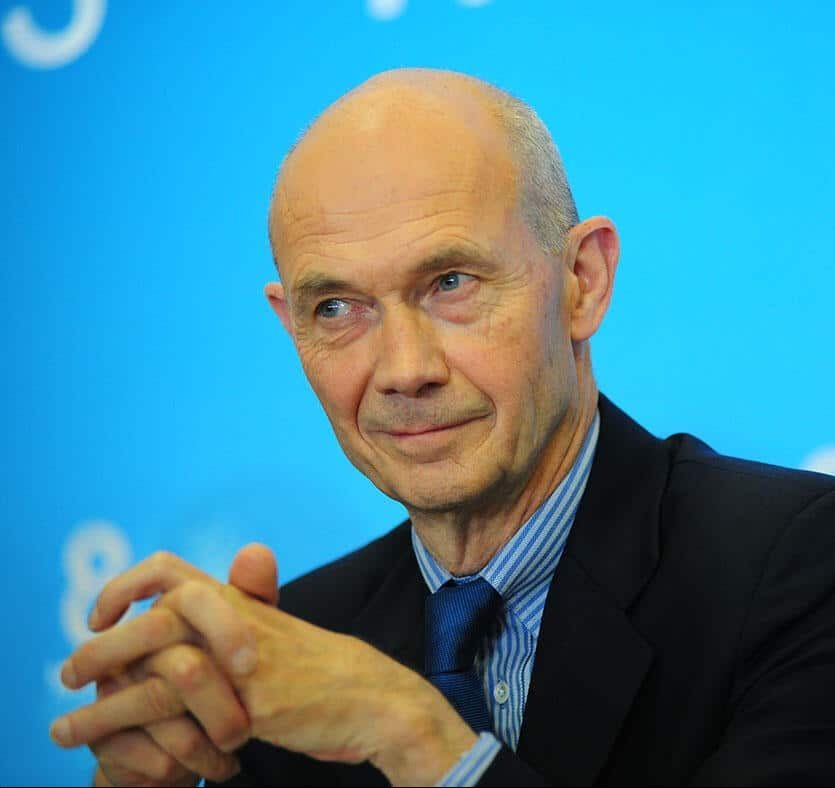
Pascal Lamy
Nobel laureate Maria Ressa is the co-founder and CEO of Rappler, the digital news site in the Philippines known for its hard-hitting investigative journalism. As a journalist in Asia for more than 35 years, Ms. Ressa has also worked as CNN’s bureau chief in Manila and Jakarta. She has endured political harassment and arrests, and been forced to post bail ten times to continue her work.
In 2021, Ms. Ressa was awarded the Nobel Peace Prize, alongside Russian journalist Dmitry Muratov, in recognition of her efforts to safeguard freedom of expression. She has received a number of other international awards and recognitions for her work, including being named TIME Magazine’s Person of the Year in 2018, for her work on disinformation. In 2021, the jury awarding Ms. Ressa the Unesco/Guillermo Cano World Press Freedom Prize noted, “Maria Ressa’s unerring fight for freedom of expression is an example for many journalists around the world. Her case is emblematic of global trends that represent a real threat to press freedom, and therefore to democracy.”
Ms. Ressa is also the author of several books: How to Stand Up to a Dictator: The Fight for Our Future (2022), From Bin Laden to Facebook: 10 Days of Abduction, 10 Years of Terrorism (2013), and Seeds of Terror: An Eyewitness Account of Al-Qaeda's Newest Center of Operations in Southeast Asia (2003).

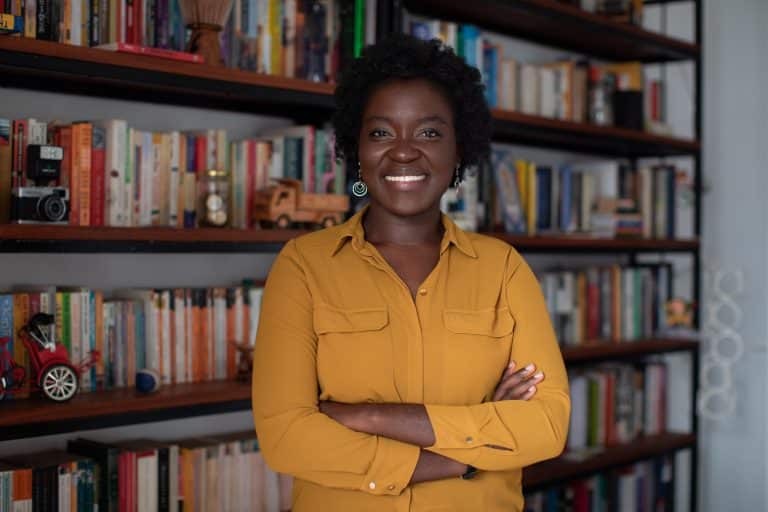
Nanjala Nyabola
Nanjala Nyabola is a writer, researcher, and political analyst whose work has been featured in a wide range of publications, including The Guardian, Aljazeera, Foreign Affairs, and The Nation, among others. She is the founder of the Kiswahili Digital Rights Project, a ground-breaking initiative to translate and popularize key terms in digital rights and technology into Kiswahili.
Ms. Nyabola is a member of the United Nations Secretary-General’s High-Level Advisory Board on Effective Multilateralism and founding member of the Africa Digital Rights Network. She is the author of Travelling While Black: Essays Inspired by a Life on the Move (2020) and Digital Democracy, Analogue Politics: How the Internet Era Is Transforming Politics in Kenya (2018) and editor of Where Women Are: Gender & The 2017 Kenyan Elections (2018).
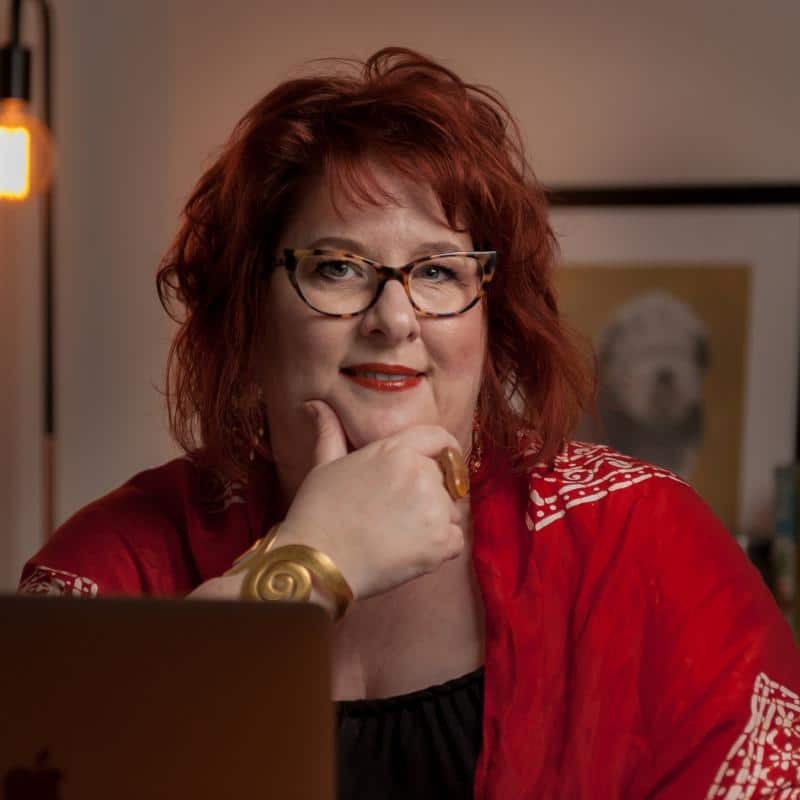
Julie Posetti
Dr. Julie Posetti is a multi award-winning internationally published Australian journalist and academic. Currently, Dr. Posetti serves as the Vice President of Global Research at the International Center for Journalists (ICFJ) and as Professor of Journalism at City, University of London. At ICFJ, Dr. Posetti leads the Online Violence Project and research for the Disarming Disinformation Project. She has also led several major UN-commissioned studies in the fields of disinformation, freedom of expression and the safety of journalists.
Dr. Posetti sits on the Advisory Board of the Global Partnership for Action on Online Gender Based Abuse. She is also a Senior Researcher affiliated with the Centre for Freedom of the Media and a Research Associate with the Reuters Institute for the Study of Journalism at the University of Oxford.
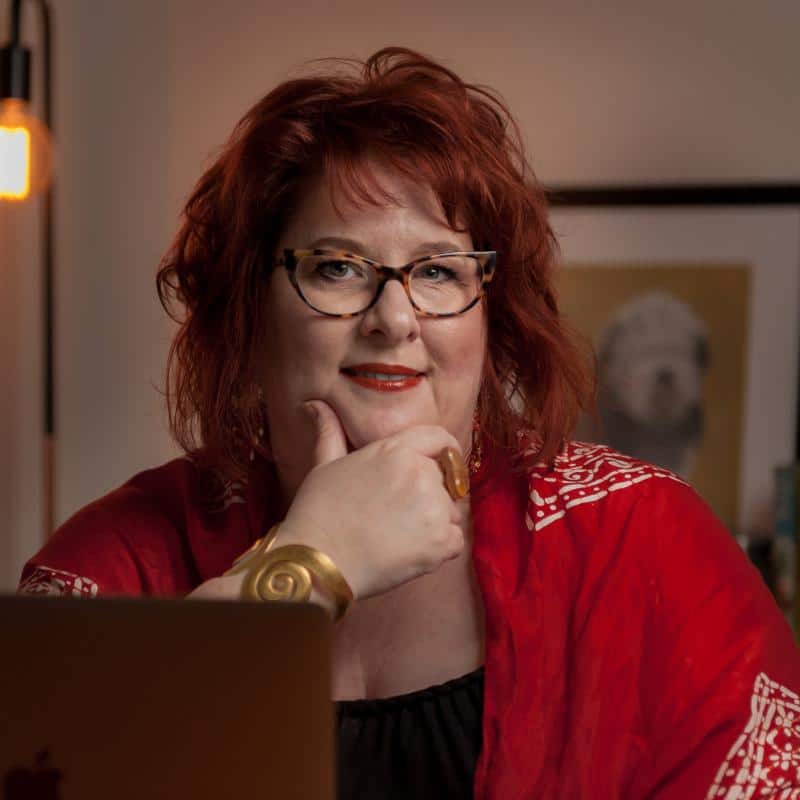

Bettina Tucci Bartsiotas
Bettina Tucci Bartsiotas is a former Assistant Secretary-General and Controller of the United Nations. Ms. Tucci Bartsiotas currently serves in boards and on committees of a number of international entities, including as Treasurer of the United Nations Federal Credit Union, member of the Independent Oversight Advisory Committee of the World Food Programme, member of the Finance Commission of the International Federation of the Red Cross and Red Crescent Societies, and Chair of the Audit and Compliance Committee of the Sport Integrity Global Alliance.
Ms. Tucci Bartsiotas has previously served as Director of the United Nations Interregional Crime and Justice Institute (UNICRI), Director of Budget and Finance/Chief Financial Officer at the International Atomic Energy Agency (IAEA), and Deputy Director/Head of Budget at the United Nations Children’s Fund (UNICEF).
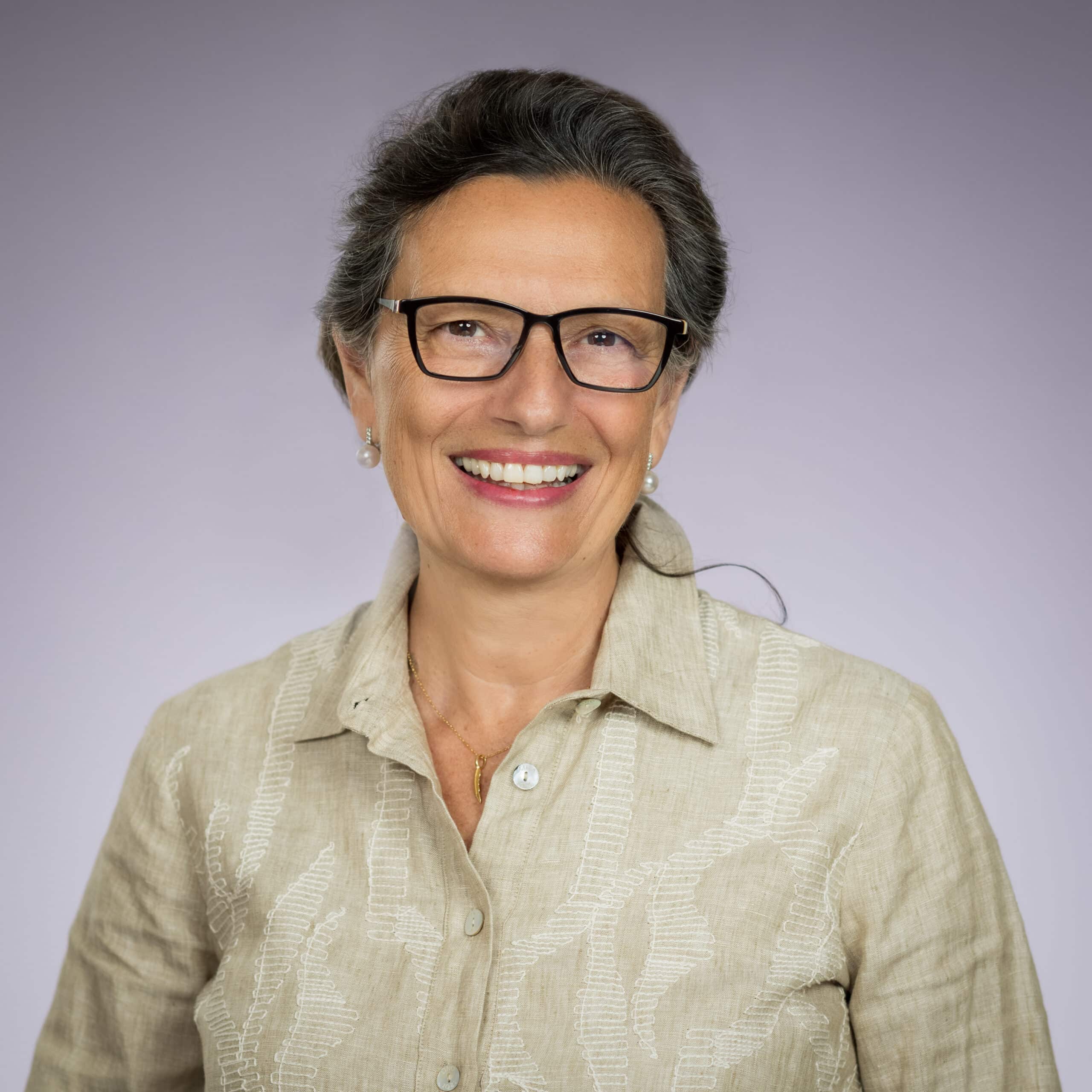
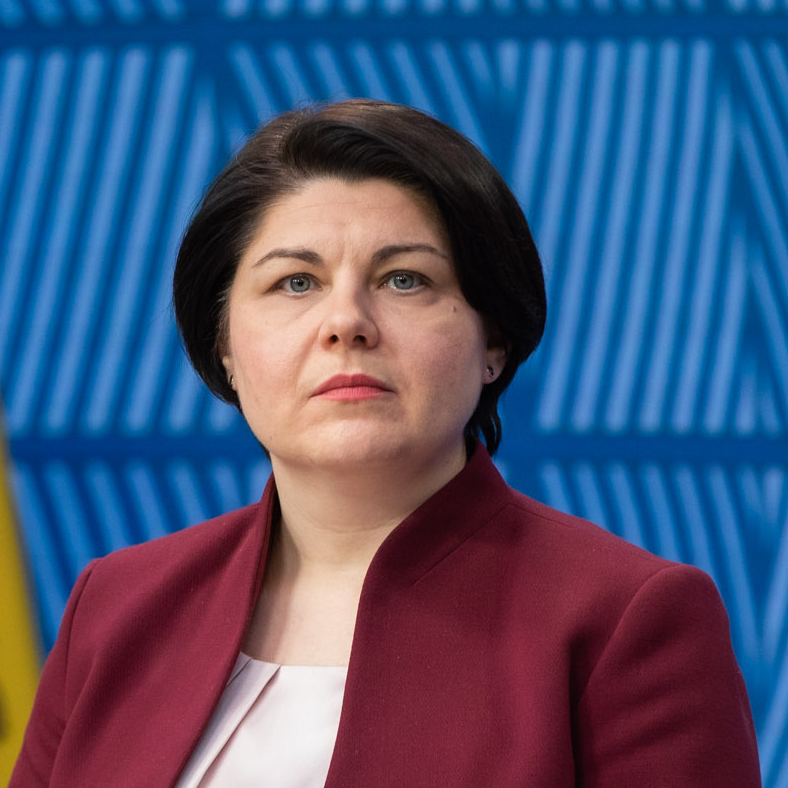
Natalia Gavrilița
Natalia Gavrilița is co-founder and director of Partnerships for New Economy, a new economic policy think-tank focused on Moldova's EU integration. She also serves on the Supervisory Board of Moldova's National Bank, and a number of advisory and expert councils, including the ECFR, the Academic Council of the Wilfried Martens Centre for European Studies, and the European Center for Economic Security, Technology, and Resilience (ECESTR).
As Moldova's 15th Prime Minister (August 2021 - February 2023), Gavrilița led the government through multiple overlapping crises caused by the war in neighbouring Ukraine, while also advancing ambitious anti-corruption, economic, and governance reforms. During her tenure, Moldova managed Europe's largest influx of Ukrainian refugees, diversified its energy market away from Russian gas and strengthened critical infrastructure, and achieved EU candidate status.
With extensive experience in development economics and politics, Gavrilița previously served as finance minister (June-November 2019) and as Managing Director at the Global Innovation Fund in London. Her career includes roles in Moldova's Education and Economy ministries and at Oxford Policy Management, with work spanning Africa, Central and South Asia.
Gavrilița holds a bachelor's degree in International Law from Moldova State University and a master's in Public Policy from Harvard University.

Partnering for accountability and transparency
Through a clear division of responsibilities between the Council, Board, and Secretariat, the International Fund's model safeguards donors from any perception that they are interfering in the media markets of other countries. It shields recipient media organizations from accusations that their editorial integrity has been compromised. And it invites all stakeholders to participate in a multilateral response to the crisis facing media and information ecosystems more broadly.
This fresh solution to sustain independent journalism models the kind of public–private, Global North–Global South partnership essential to addressing today's increasingly complex global challenges.